

What you need as a healthcare professional for impression-taking training
Ear impressions are used for more than just hearing aid earmoulds. They also help create custom hearing protection, in-ear monitors for musicians, swimming plugs, and
Written by: Jayshree
Reviewed by: Harriet Varney

Thinking of building a career in ear care? You are not alone. Over the last few years, the UK has seen a sharp rise in people looking for safe, professional earwax removal and ear health support. With increasing waiting times for NHS GPs and more private clinics offering dedicated ear care services, demand for trained ear care specialists is rising faster than ever.
For those who enjoy hands-on clinical work, like helping people feel comfortable, and want a practical route into healthcare, this field can be an ideal starting point. Guess what the best part is? You do not need any medical degree to get started, just the right training, the right skills and confidence to care for patients safely.
In this blog, we will walk you through, step by step, how to become an ear care specialist in the UK. Whether you are a complete beginner or already working in healthcare, you will find a clear, realistic guide to training, careers, salary expectations, and what employers look for.
At HCPI, we support thousands of learners across the UK, and this blog will reflect the real questions people ask us every day. Let’s break it all down and help you understand your pathway into this growing, rewarding profession.
Topics Covered:
From helping people maintain healthy ears and clear hearing to overall ear comfort, the role that Ear care specialists play is crucial. While most think only about earwax, the job is vast and involves understanding the ear canal, identifying potential problems and providing safe, evidence-based care. At its core, the role focuses on:
Using an otoscope or digital otoscopy system, specialists examine the ear canal and eardrum, identify the type of wax that is present, and spot anything unusual, such as infections, debris, or contraindications.
Depending on their training, specialists may perform any of the following ways:
In the UK, every ear care specialist has to follow strict infection-control protocols and maintain accuracy throughout the procedure.
This task is often an overlooked part of the job, which is a simple measurement. As ear care specialists, you should explain what you can see, walk the clients through the procedure, and offer aftercare advice. Many people feel anxious about their ears, so as a calm and confident specialist, you can make the whole experience much more comfortable.
Clear documentation is essential. As specialist, you need to keep detailed notes of what you observed, the procedure used, and the outcome during appointments. This is more important if a referral to a GP or audiologist is needed.
One of the biggest advantages of a career as an ear care specialist is the flexibility it offers. Ear care specialists work in different environments, and that includes:
Each of these environments has its own pace, but the core skills remain the same for all.
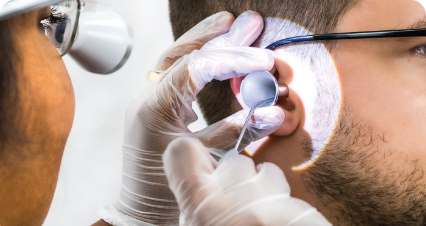
One of the reasons ear care has become such a popular career choice is its accessibility. You do not need any medical background or years of clinical experience to start. It is a matter of your willingness to learn and obtain a certified course to demonstrate competence in what you wish to do.
There are many people who enter this field with no prior clinical experience. As long as you complete accredited training and demonstrate competency, you can begin working in supervised or supported roles.
Those who are already working in health or social care often find that ear care fits naturally into their current skill set. They include:
For these professionals, ear care training can add valuable skills, increase employability, and open opportunities for extra income or specialised clinical work.
If you enjoy:
If ear care feels highly rewarding, this is for you.
While this is not mandatory, the following skills will make you a strong ear care specialist:
This is one of the main things that you do not need a degree to become an ear care specialist. However, you do require an accredited training and competency from the recognised pathways that the employers are looking for.
When you are ready to start your journey, the following steps will give you a clear, realistic roadmap. Whether you are completely new to healthcare or already working in a clinical setting, the process follows the same structure.
Before choosing a course, it is worth understanding where your new skills will fit in. Ear care services in the UK are delivered across the NHS, private clinics, pharmacies, occupational health providers and community settings. Due to rising demand, many clinics now struggle to keep up, which is why trained and certified specialists are in such high demand.
Understanding this helps you decide:
This clarity makes the rest of your learning journey much easier.
This starts the foundation of your career. When you plan to become an ear care specialist in the UK, you have to complete a recognised, accredited training course that meets national standards for safe earwax removal. While choosing a credible source, make sure it includes the following:
Essential Theory
Practical Skills
At HCPI, we deliver CPD-accredited training designed around real clinical scenarios, using up-to-date equipment and experienced trainers, ideal for both beginners and professionals looking to upskill.
The theory is important, but practical competence is what actually defines a good ear care specialist. During practical sessions, the trainees learn how to:
Hands-on practice with real patients or high-fidelity simulation models builds confidence quickly and helps you understand how different ear types, wax types, and patient behaviours can affect the procedure.
Once your training is complete successfully, you will receive a certificate showing you have met the learning objectives. Many providers, including us at HCPI, also offer competency sign-off pathways, which employers highly value.
Competency sign-off typically includes:
This step is to ensure you are fully confident and ready to work independently or within a clinical team.
After completing your training, you can start applying for positions such as:
Many learners start within an established clinic, while others build part-time or self-employed roles once they gain experience.
If you choose to offer services independently, remember:
With growing public awareness and increasing demand, building a client base is now easier than ever, especially in areas with limited NHS access.
The most common questions people ask are whether they need a medical degree or a specific licence to become an ear care specialist in the UK. The simple answer is: No. There is no legally required degree for this role. However, you do need the right and acclaimed training, competence, and professional standards to work safely.
Here’s what actually matters:
Accredited Ear Care Training (Essential)
This is the main requirement employers look for. Your course should be:
Whether you are learning irrigation, microsuction, or maybe both, accredited training ensures that you are meeting the standard expected in the UK healthcare settings.
Competency Sign-Off
Just a certificate alone is not enough; competency shows you can apply your knowledge safely and consistently.
Competency sign-off may include:
Whether you are learning irrigation, microsuction, or both, accredited training ensures you meet the standards expected in UK healthcare settings.
Infection-Control Understanding
Ear care specialists must follow strict hygiene and decontamination processes.
This includes:
We at HCPI, as a training provider, will cover all of these.
Insurance (If Working Independently)
If you plan to practise privately or run your own clinic, you must have indemnity insurance. Most insurers require proof of accredited training and competency before offering cover.
No Mandatory Registration, but Professionalism is Key
Unlike nurses or audiologists, ear care specialists do not have to register. But if you fall under a specific role, then register with HCPC, NMC, or RCCP, respectively. However, adhering to professional standards is still essential, including:
In short, the pathway is accessible, but safety and competence are non-negotiable.
A career as an ear care specialist offers a surprising amount of flexibility. Once you complete your training and gain competency. You can also build your path in a way that fits your lifestyle, your confidence level and your long-term goals.
As an ear care specialist, you can be employed across a wide range of settings, including:
These different environments give you the freedom to choose a pace and environment that suits you, whether it is a steady 9–5 clinic shifts or flexible mobile work.
Starting your journey as an ear care specialist can also be a stepping stone to other healthcare roles, such as:
Many trainees start with one skill, gain experience, and then build on their professional portfolio through CPD and dual training.
In recent years, the ear care sector has undergone dramatic change. What used to be a routine procedure performed in GP Surgeries is now a specialist service in high demand. Several factors are driving this growth:
The above makes ear care not just a job but a future-proof career with consistent opportunities.
To give you realistic, trusted guidance, HCPI sits at the centre of ear care education in the UK, and thousands of learners choose us every year because of the following key reasons:
Our goal is simple: to help our trainees feel confident, capable, and ready to deliver safe, professional ear care from day one.
Now that we are at the end of our blog, if you are serious about entering this field, here are a few pieces of advice that can make your journey smoother:
The profession is technical, yes, but at its heart it is also about people and care.
Becoming an ear care specialist in the UK is a practical, rewarding, and future-proof pathway into healthcare. It is a hands-on role where your work makes an immediate difference, helping people hear more clearly, feel more comfortable, and regain confidence in their day-to-day life.
With the right accredited training, a focus on safe practice, and a commitment to continued learning, you can build a strong career in this growing field. Whether you are stepping into healthcare for the first time or expanding your existing skills, ear care offers real opportunities, flexibility, and long-term stability.
Ear care training can range from 1 to 3 days depending on who you train with and the depth of practical learning involved. Shorter courses often focus on theory or simulation, while longer programmes like ours include supervised practice on real patients, clinical decision-making, and additional assessment skills. Trainees with little or no healthcare experience may benefit from a longer training programme to build confidence and safe technique.
No. Anyone can become an ear care specialist in the UK with accredited training and demonstrated competency.
You need accredited ear care training, competency sign-off, knowledge of safe practice, and insurance if working independently.
Microsuction uses suction and full visibility for precise removal; irrigation uses warm water to flush soft wax. Many specialists train in both.
Yes, provided you have accredited training, competency, clinical equipment, and proper indemnity insurance.
Ear impressions are used for more than just hearing aid earmoulds. They also help create custom hearing protection, in-ear monitors for musicians, swimming plugs, and

When you are choosing an accredited earwax removal course, it involves more than comparing prices, dates and certificates. A professional earwax removal course requires sound